NTAG213, NTAG215 and NTAG216
These NFC Forum Type 2 ICs provide 144, 504 and 888 bytes of user memory respectively. Choose capacity using the complete encoded NDEF message, including its record headers. User memory is not the maximum number of visible characters in a URL. Use a URL under your control so the destination can be maintained without replacing printed products.
NDEF content and production encoding
Define the NDEF record type, payload and any per item data. Specify how printed serial numbers relate to encoded values. Read back programmed samples using the intended phones and readers before production approval. Apply permanent locks only after content and verification procedures have been agreed.
Authentication and protected applications
Password protected memory, an IC originality signature and cryptographic authentication are separate capabilities. NTAG21x password protection is not equivalent to the authenticated application transactions available with appropriately configured DESFire products. Select security by the transaction and threat model, then validate the complete reader and issuing system.
Antenna and construction
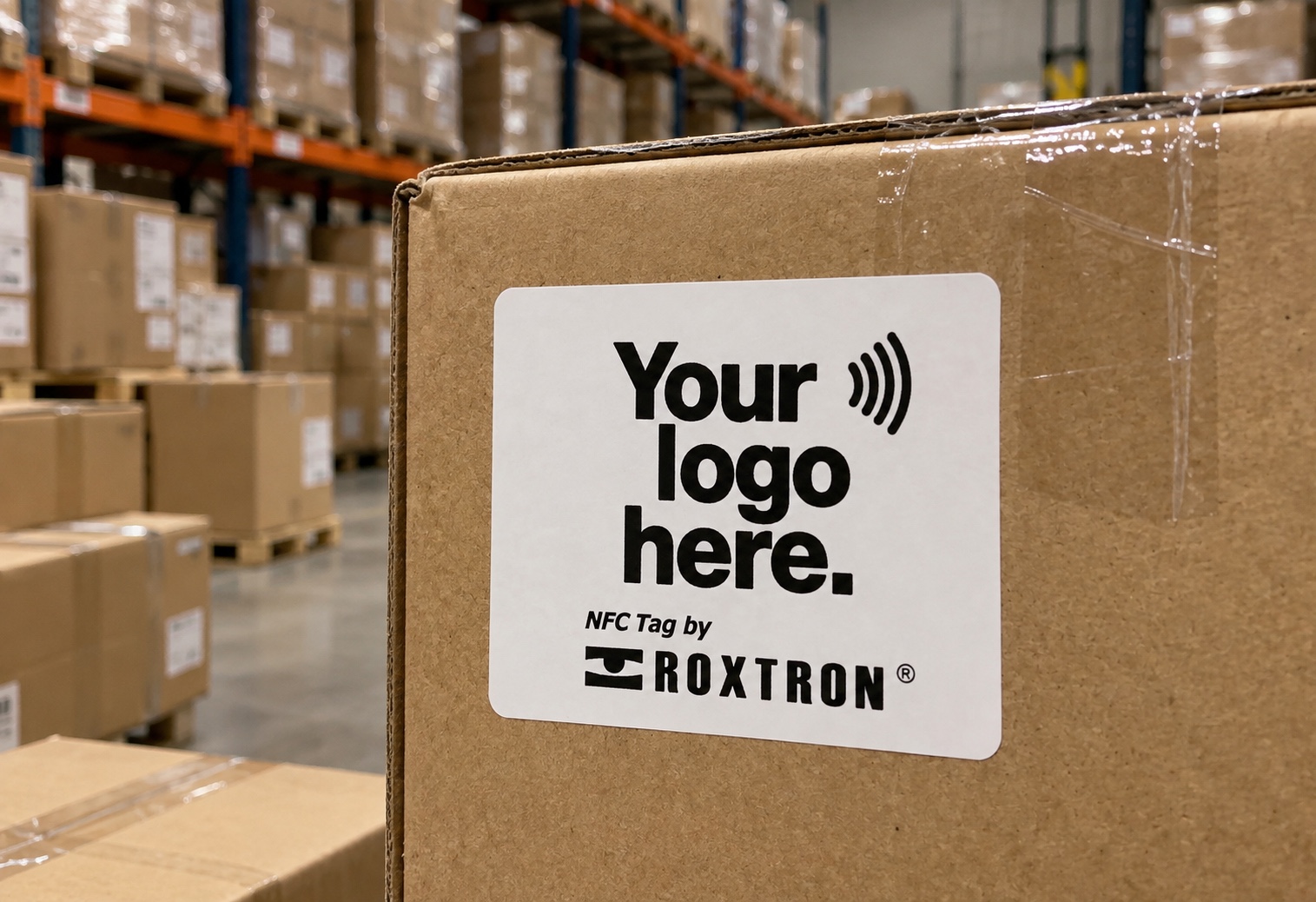
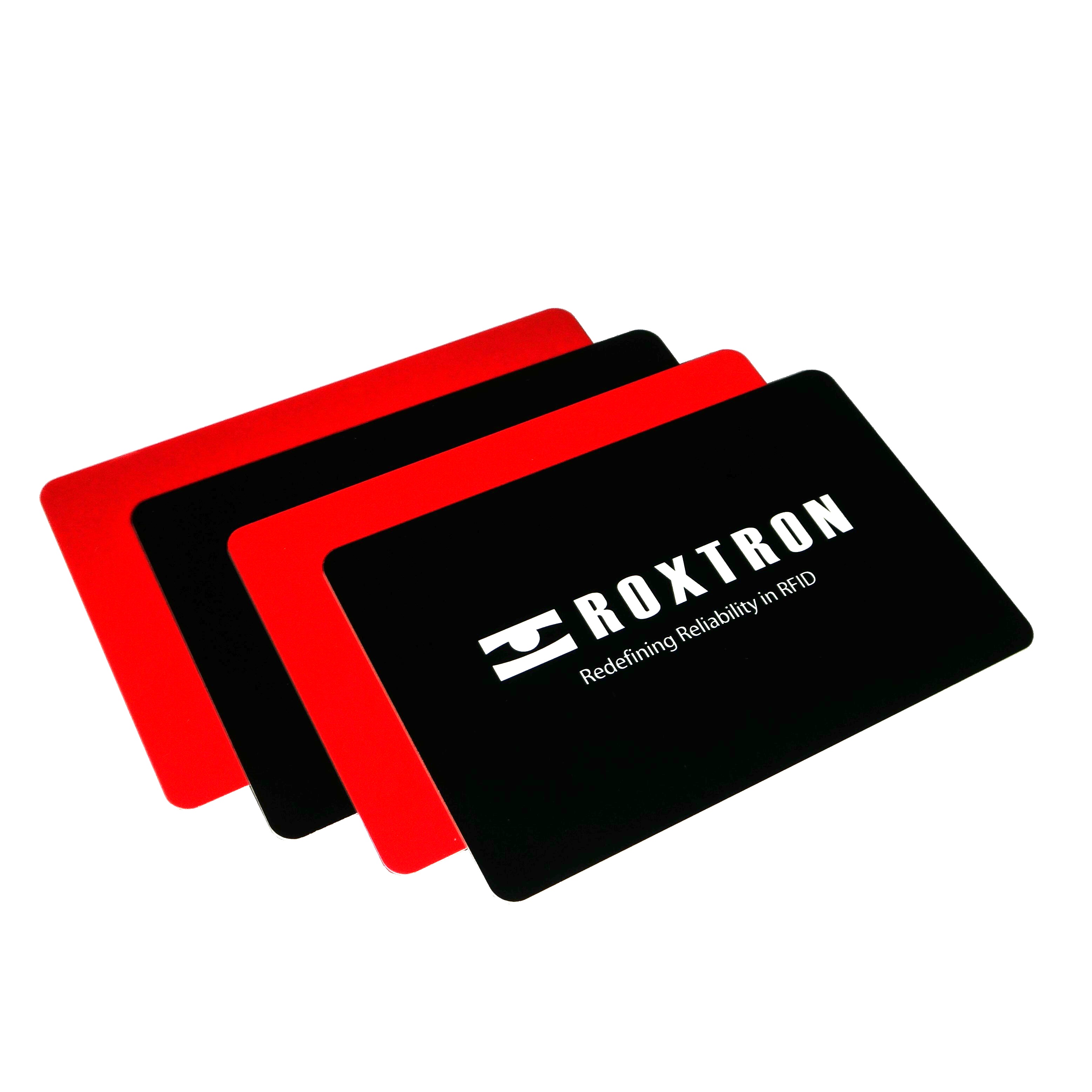
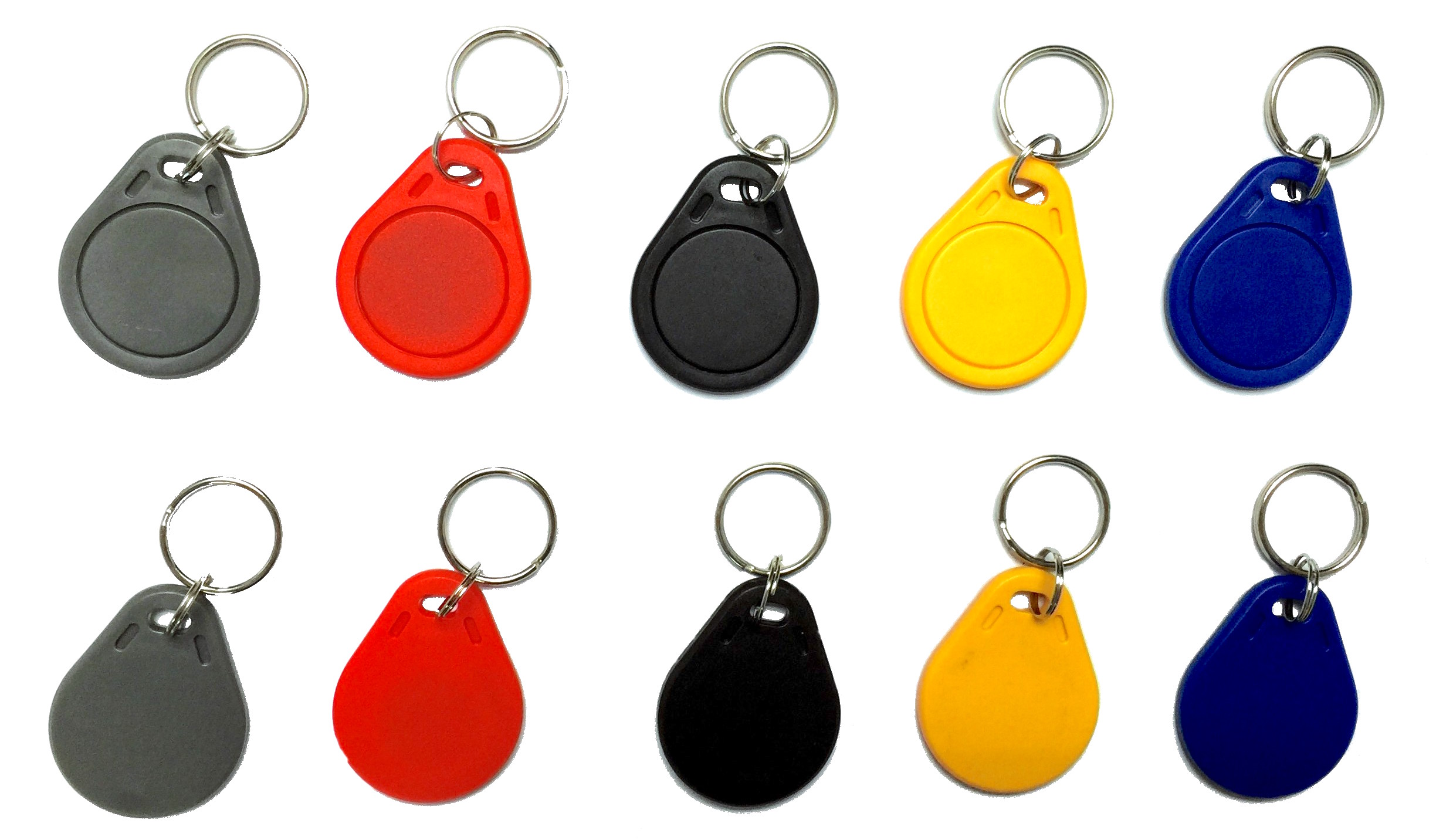
Choose a card, label, key fob or wristband for the intended interaction. Antenna dimensions, enclosure material, orientation and nearby metal affect coupling. Where a label will be applied to metal or conductive packaging, specify the substrate and evaluate a suitable construction. Confirm performance on the actual item before volume manufacture.